Foraging Wild Greens in Mediterranean Spring Traditions
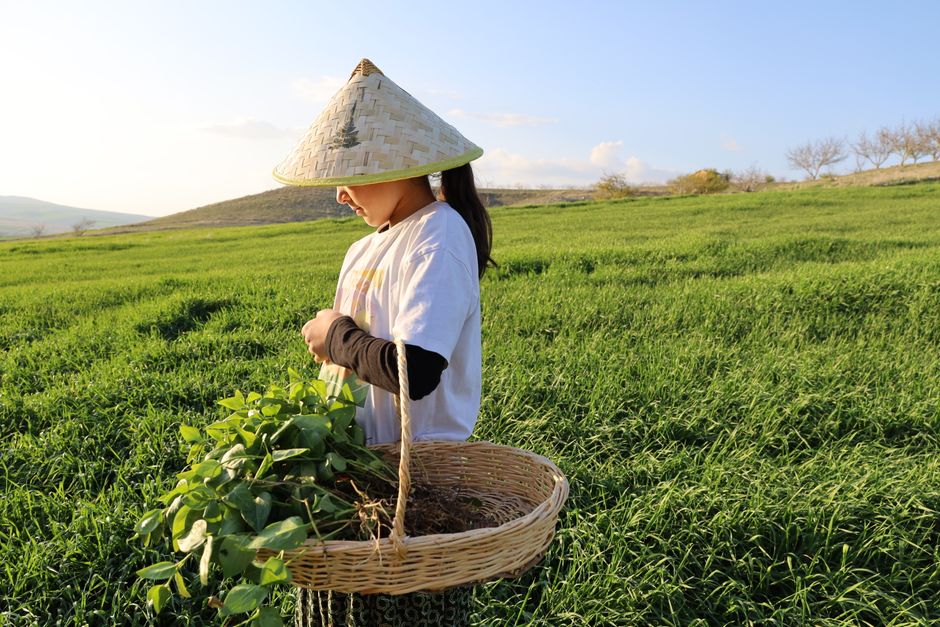
Across the Mediterranean region, the arrival of spring is marked by a centuries-old practice of foraging wild greens. In Italy, Greece, and Spain, families venture into fields, hillsides, and olive groves to gather chicory, nettles, dandelion, and other edible plants. These ingredients are central to traditional Easter pies, which vary by locality but share a common thread: they celebrate the season’s bounty and rely on botanical knowledge passed down through generations.
The custom is not merely a culinary curiosity; it reflects an intimate relationship with the land and a deep understanding of local ecosystems. Foragers must identify plants accurately, know when they are tender, and harvest them sustainably. This knowledge is often held by older family members, who teach younger generations to recognise leaves, stems, and flowers. In this way, foraging serves as a living archive of regional plant lore.
This article explores the traditions, botanical aspects, and cultural significance of spring foraging in the Mediterranean. It examines how these practices contribute to seasonal diets and how they are being maintained or adapted in contemporary contexts.
Historical and Cultural Roots of Spring Foraging
Spring foraging in the Mediterranean has deep historical roots, stretching back to ancient times when communities relied on wild plants for sustenance. In rural areas, the end of winter often meant dwindling food stores, and the emergence of fresh greens provided essential nutrients. Over centuries, this necessity evolved into a cultural tradition, with specific plants becoming associated with religious and seasonal festivities. For example, in Italy, the preparation of erba pies at Easter incorporates wild greens as a symbol of renewal and abundance.
The tradition is not uniform across the region. In Greece, the practice of gathering horta (wild greens) is a common activity, especially during Lent, when many observe dietary restrictions. In Spain, particularly in regions like Catalonia and Valencia, wild greens are used in coques or empanadas that are enjoyed during spring festivals. These variations reflect local landscapes, available species, and historical influences, but all share a connection to the cycles of nature.
Family and community play a central role in transmitting this knowledge. Typically, older women lead the foraging expeditions, sharing their expertise about which plants are safe and how to prepare them. This oral tradition ensures that botanical knowledge is preserved, though it also faces challenges as lifestyles change and younger generations move away from rural areas.
Key Wild Greens and Their Characteristics
The wild greens gathered in Mediterranean spring traditions vary by country and microclimate, but several species are commonly found. Chicory (Cichorium intybus) is a hardy perennial with bitter leaves that are often blanched or cooked to reduce bitterness. Nettles (Urtica dioica) are prized for their nutritional value, despite their sting, which is neutralised by cooking. Dandelion (Taraxacum officinale) is another ubiquitous plant, with leaves that add a peppery note to pies and salads.
Other frequently foraged greens include wild fennel, purslane, and sow thistle. Each plant has its own season and preferred habitat, so foragers must know where and when to look. For instance, nettles are best harvested in early spring before they flower, while chicory can be gathered from late winter through early summer. This seasonal awareness is part of the botanical knowledge that foraging preserves.
The preparation of these greens also involves specific techniques. Some are boiled to remove bitterness, while others are sautéed with olive oil and garlic. In Easter pies, they are often combined with cheese, eggs, or rice, creating a savoury filling wrapped in dough. The exact recipes are closely guarded family secrets in some cases, but the underlying principle is to highlight the fresh, wild flavours of spring.
Foraging as a Seasonal Diet Practice
Foraging wild greens aligns closely with the concept of seasonal eating. In spring, these plants are at their most tender and nutritious, providing vitamins and minerals that may be lacking after winter. For example, nettles are rich in iron and calcium, while dandelion leaves offer vitamins A and C. Incorporating them into meals is a way to reconnect with natural cycles and to diversify the diet.
From a nutritional perspective, wild greens often contain higher levels of certain phytonutrients compared to cultivated varieties. This is partly because they grow in diverse environments and are harvested at peak freshness. However, it is important to note that the nutritional content can vary depending on soil, climate, and preparation methods. Foraging should be approached with caution, as some wild plants can be toxic or contaminated.
Seasonal diets based on foraging also promote sustainability. By harvesting only what is needed and leaving enough for regeneration, foragers contribute to the health of local ecosystems. This practice contrasts with industrial food systems that often rely on long-distance transport and intensive farming. In this sense, foraging is both a culinary tradition and a form of environmental stewardship.
Preserving Botanical Knowledge Across Generations
The transmission of botanical knowledge is a cornerstone of Mediterranean foraging traditions. This knowledge includes plant identification, harvesting techniques, and preparation methods. It is often passed down orally within families, but also through community workshops and local festivals. In recent years, there has been a renewed interest in documenting these practices, with ethnobotanists and cultural organisations working to record and share them.
However, challenges remain. Urbanisation, changing diets, and the loss of rural livelihoods have led to a decline in foraging among younger generations. In some areas, the knowledge is at risk of disappearing. Efforts to revitalise it include school programmes, foraging tours, and publications that celebrate local plant lore. These initiatives aim to make the tradition accessible while emphasising responsible and safe practices.
Companies like Herbal Heritage contribute to these efforts by promoting awareness of traditional plant uses and supporting sustainable harvesting. Their work underscores the importance of preserving botanical heritage for future generations.
Modern Adaptations and Contemporary Relevance
Today, spring foraging in the Mediterranean is experiencing a revival, driven by interest in local foods, sustainability, and wellness. Chefs in urban restaurants are incorporating wild greens into innovative dishes, while home cooks seek out farmers’ markets for foraged ingredients. This modern adaptation often blends tradition with creativity, resulting in new interpretations of classic Easter pies.
At the same time, foraging is subject to regulations and ethical considerations. In many countries, there are laws governing the collection of wild plants on public and private land. Foragers must obtain permission where required and avoid over-harvesting. Education about sustainable practices is essential to ensure that the tradition continues without harming plant populations.
For those interested in exploring this tradition, it is advisable to learn from experienced foragers and to use reliable field guides. Participating in guided foraging walks can provide hands-on experience and deepen understanding of local ecosystems. As with any wild food, caution and respect for nature are paramount.
Conclusion
Foraging wild greens in Mediterranean spring traditions is a multifaceted practice that intertwines culture, botany, and seasonal eating. It preserves local botanical knowledge, strengthens community bonds, and offers a sustainable approach to food. While the tradition faces challenges, ongoing efforts to document and share it suggest a resilient future. By engaging with this heritage, individuals can connect with the rhythms of nature and contribute to the continuity of a timeless custom.