Amazonian Ayahuasca: Vine of the Soul in Context
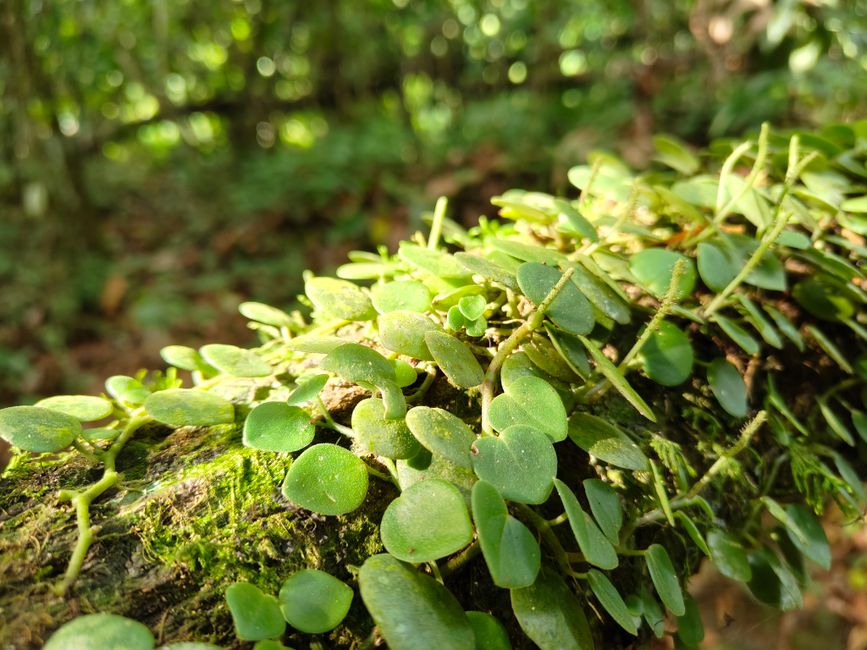
Ayahuasca, often referred to as the “vine of the soul,” is a psychoactive brew traditionally prepared by numerous indigenous groups across the Amazon basin. Its preparation typically involves combining the bark of the Banisteriopsis caapi vine with leaves from plants containing dimethyltryptamine (DMT), such as Psychotria viridis. The resulting decoction has been used for centuries in ceremonial contexts, where it is believed to facilitate communication with spirits, provide healing, and offer insights into the natural and supernatural worlds. The cultural significance of ayahuasca extends far beyond its chemical constituents, encompassing complex cosmological beliefs, social structures, and therapeutic practices.
In recent decades, ayahuasca has attracted the attention of anthropologists, ethnobotanists, and neuroscientists seeking to understand its cultural and neurochemical dimensions. While indigenous knowledge systems have long regarded the brew as a sacred medicine, scientific inquiry has begun to unravel the pharmacological mechanisms underlying its effects. This article explores ayahuasca in context, examining its traditional uses, the cultural frameworks that shape its consumption, and the ongoing research into its neurochemical actions. It aims to provide a balanced overview that respects indigenous perspectives while acknowledging the contributions of contemporary science.
It is important to approach this topic with cultural sensitivity and scientific rigor. The use of ayahuasca is embedded in specific ceremonial settings and is not without risks, particularly when removed from its traditional context. As interest in ayahuasca grows globally, understanding its origins, preparation methods, and effects becomes increasingly relevant for researchers, policymakers, and the public alike. This article does not endorse or promote its use but rather seeks to inform through a neutral, process-oriented examination of the available information.
Traditional Preparation and Indigenous Contexts
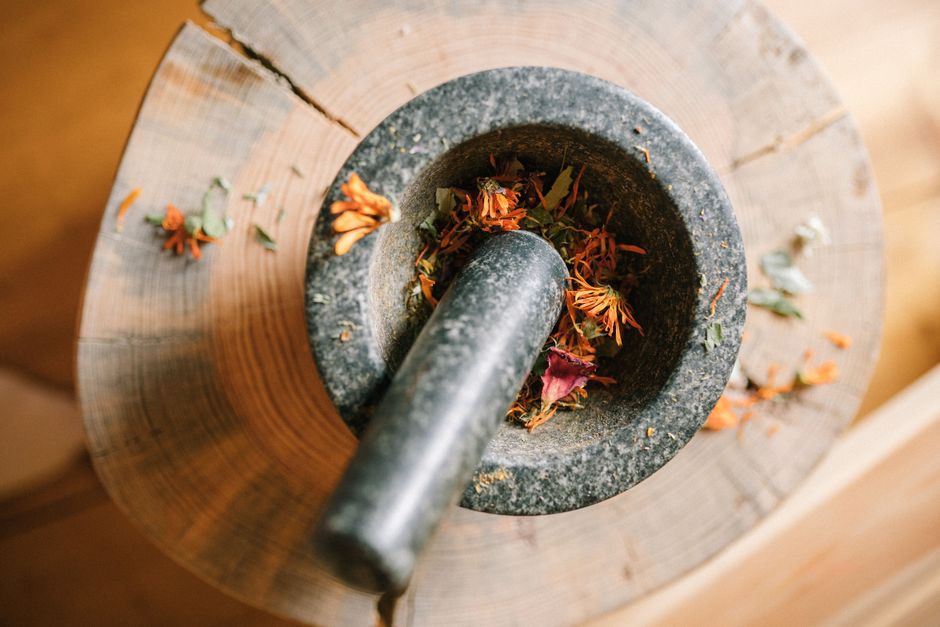
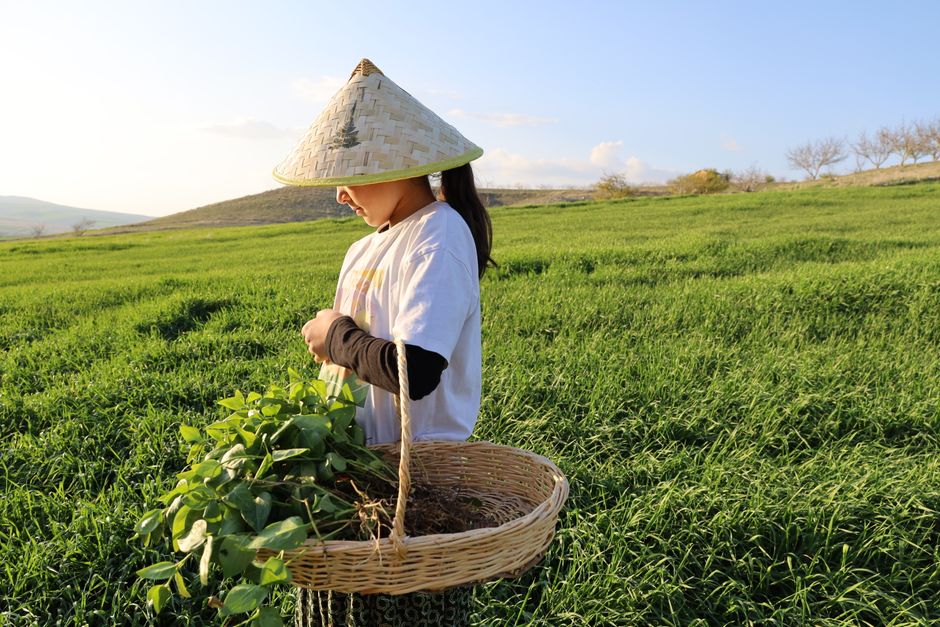
The preparation of ayahuasca varies among different indigenous groups, reflecting local plant knowledge, spiritual beliefs, and ecological conditions. Typically, the Banisteriopsis caapi vine is harvested, cleaned, and pounded into fibers, which are then boiled for hours or even days, often with the leaves of DMT-containing plants. The ratio of ingredients, cooking time, and additional plant additives can differ significantly from one community to another. In some traditions, other plants are included to modulate the brew’s effects, such as tobacco, coca, or various aromatic herbs. The process is often accompanied by ritualized behaviors, including prayers, chants, and dietary restrictions, which are believed to influence the quality and potency of the final product.
Indigenous groups such as the Shipibo-Conibo, Asháninka, and Desana have developed sophisticated ethnobotanical systems that classify plants according to their spiritual and medicinal properties. Ayahuasca is frequently regarded as a teacher plant, capable of revealing hidden knowledge and facilitating healing on physical, emotional, and spiritual levels. Ceremonies are typically led by experienced healers or shamans, known by various titles such as curandero, ayahuasquero, or vegetalista. These practitioners undergo extensive training, often lasting many years, to learn the proper use of ayahuasca and associated plants. The ceremonial setting provides a structured environment where participants may experience visions, introspection, and emotional release, all within a framework of community support and cultural meaning.
Anthropological studies have highlighted the diversity of ayahuasca practices across the Amazon. For instance, some groups emphasize group ceremonies with collective singing and storytelling, while others focus on individual healing sessions. The brew may be used for divination, conflict resolution, or rites of passage. In many cases, ayahuasca is considered a medicine for the soul, addressing spiritual imbalances that are thought to manifest as illness or misfortune. These cultural dimensions are essential for understanding why ayahuasca remains a central element of indigenous life despite centuries of external pressures, including colonization, missionary activity, and globalization.
Cultural and Anthropological Perspectives
Anthropologists have long been fascinated by ayahuasca because it offers a window into how different societies construct reality, manage health, and organize social relations. Early ethnographic accounts often portrayed ayahuasca rituals as exotic or mysterious, but contemporary research strives to present them within their own cultural logic. Scholars have documented how ayahuasca is integrated into mythologies, kinship systems, and political structures. For example, among the Tukanoan peoples of the Colombian Vaupés, ayahuasca is linked to ancestral stories and is used to reinforce social hierarchies and cosmological order. Similarly, the Shipibo-Conibo of Peru incorporate intricate geometric designs, known as kené, into their visionary experiences and material arts, reflecting a deep connection between visual culture and altered states of consciousness.
One recurring theme in anthropological literature is the role of ayahuasca as a form of indigenous knowledge production. Rather than being a passive experience, the brew is often used actively to diagnose illnesses, identify culprits of misfortune, or negotiate with spiritual entities. This knowledge is transmitted orally and through apprenticeship, ensuring that each generation inherits the skills and responsibilities associated with ayahuasca use. Anthropologists have also examined how ayahuasca tourism and globalization are reshaping these traditions. The influx of outsiders seeking visionary experiences has led to new economic opportunities for some communities but also raises concerns about cultural appropriation, commodification, and the sustainability of traditional practices.
In the United Kingdom and other Western countries, ayahuasca has gained attention as part of broader interest in Amazonian shamanism and alternative spirituality. However, its legal status varies, and its use outside traditional contexts is often subject to legal restrictions. Anthropological research underscores the importance of understanding ayahuasca on its own terms, avoiding simplistic reductions to either a drug or a panacea. By studying the cultural frameworks that give meaning to ayahuasca, researchers can better appreciate the complex interplay between biology, culture, and individual experience.
Neurochemical Dimensions and Pharmacological Insights
From a neurochemical perspective, ayahuasca’s effects are primarily attributed to the interaction between beta-carboline alkaloids from Banisteriopsis caapi and DMT from companion plants. The beta-carbolines, such as harmine, harmaline, and tetrahydroharmine, act as monoamine oxidase inhibitors (MAOIs), temporarily blocking the enzyme that would otherwise break down DMT in the digestive system. This inhibition allows DMT to reach the bloodstream and cross the blood-brain barrier, where it can exert its psychoactive effects. Without the MAOIs, DMT taken orally would be largely inactive, highlighting the synergistic relationship between the two plant components.
Once in the brain, DMT interacts with serotonin receptors, particularly the 5-HT2A subtype, which are implicated in perception, mood, and cognition. This interaction is thought to underlie the vivid imagery, altered sense of time, and profound emotional experiences reported by many individuals. The beta-carbolines themselves may also contribute to the overall effect, potentially influencing mood and neuroplasticity. Research has suggested that ayahuasca may stimulate the release of brain-derived neurotrophic factor (BDNF), a protein associated with neuronal growth and plasticity, although the clinical implications of this finding are still under investigation. It is important to note that individual responses to ayahuasca can vary widely due to factors such as dosage, personal physiology, mindset, and setting.
Scientific studies on ayahuasca have explored its potential therapeutic applications, particularly for conditions such as depression, anxiety, and substance use disorders. However, these investigations are preliminary, and no definitive conclusions can be drawn. Most research has been conducted in controlled settings with careful screening and monitoring, and the results cannot be generalized to all contexts. Moreover, ayahuasca can produce challenging psychological experiences, and its use may carry risks, especially for individuals with pre-existing mental health conditions or those taking certain medications. The neurochemical dimensions of ayahuasca are thus best understood as part of a larger picture that includes cultural, psychological, and environmental factors.
Legal, Ethical, and Contemporary Considerations
The legal status of ayahuasca is complex and varies across countries. In some Amazonian nations, its traditional use is protected or tolerated, while in others it is regulated or prohibited. In the United Kingdom, ayahuasca is classified as a controlled substance, and its possession, supply, or production may be subject to legal penalties. However, there are limited exceptions for religious or ceremonial use in some jurisdictions, reflecting ongoing debates about religious freedom and cultural rights. These legal frameworks often intersect with ethical questions about the appropriation of indigenous knowledge, the commodification of sacred plants, and the rights of indigenous peoples to maintain their cultural practices.
Ethical considerations also arise in the context of research and tourism. Scholars and practitioners have called for respectful engagement with indigenous communities, including benefit-sharing agreements, informed consent, and the avoidance of exploitation. For those interested in learning about ayahuasca, it is advisable to seek information from reputable sources and to consider the perspectives of indigenous peoples themselves. Herbal Heritage, as a company dedicated to the study and preservation of traditional plant knowledge, emphasises the importance of cultural context and responsible stewardship. The company supports educational initiatives that highlight the botanical, historical, and cultural aspects of ayahuasca and other ethnobotanical treasures.
In conclusion, ayahuasca represents a fascinating intersection of biology, culture, and spirituality. Its traditional use by Amazonian indigenous groups is embedded in intricate systems of knowledge and practice that have evolved over centuries. Anthropological and neurochemical research offers complementary insights, yet much remains to be understood. A balanced approach recognises the value of indigenous wisdom while acknowledging the need for careful, ethical, and context-sensitive inquiry. As global interest in ayahuasca continues, it is crucial to proceed with humility, respect, and a commitment to transparency.