Source Identification
We locate primary and secondary materials from archives, herbaria, and published ethnobotanical records.
The traditions and historical accounts presented on this page draw on established ethnobotanical research, combining data from field observations, archival records, and comparative studies. Fieldwork typically involves participant observation, structured interviews with knowledge holders, and collection of botanical specimens, all documented under standard protocols such as those informed by the Code of Ethics of the International Society of Ethnobiology. Archival research in herbaria, museum collections, and historical manuscripts provides temporal depth, while comparative analysis highlights both shared patterns and regional specificities across cultures. Due to source availability, translation nuances, and oral transmission variability, these accounts are offered as context-dependent records. No claims about effectiveness, safety, or therapeutic value are made; these are descriptions of documented cultural knowledge and plant use, intended for informational purposes only.
We locate primary and secondary materials from archives, herbaria, and published ethnobotanical records.
Each source is examined for authorship, dating, provenance, and potential biases before inclusion.
Information is placed within its original cultural, geographic, and temporal setting for context.
We document our research approach to support consistency and openness without claiming guaranteed accuracy.
Herbal Heritage is an ethnobotanical research organisation dedicated to documenting traditional plant knowledge. Every account presented here draws on fieldwork with communities and careful consideration of historical sources. While we strive for academic rigour, we recognise that our work relies on collaborations with many individuals and institutions, each bringing their own perspectives and limitations. Moreover, interpreting cultural and historical material inevitably involves uncertainties. We therefore focus on transparent methods: recording plant-use traditions as they are described, citing sources, and acknowledging our efforts while recognising the provisional nature of all records.
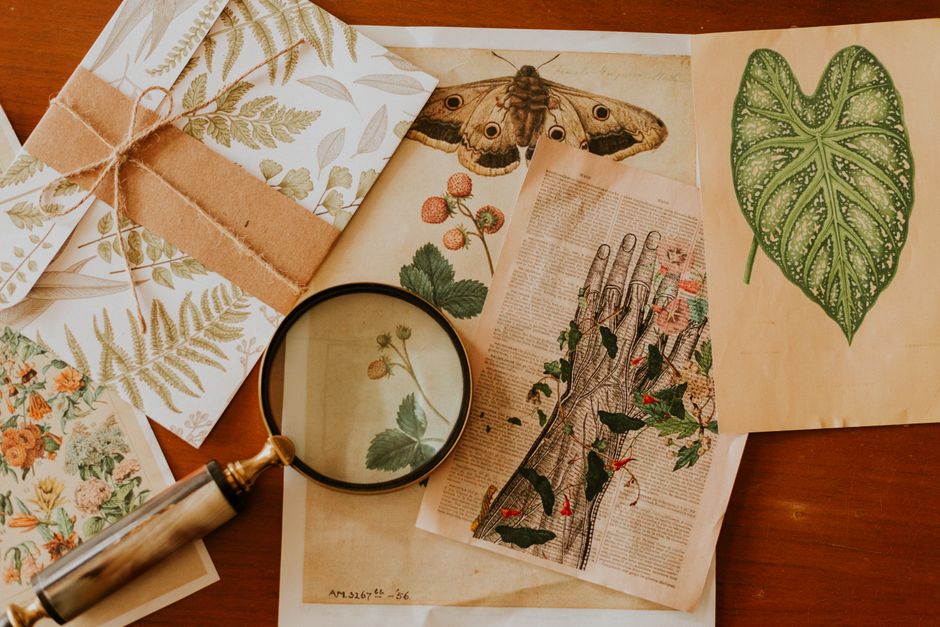
Herbal Heritage applies strict academic principles to each plant tradition and historical account. We prioritise transparent source evaluation, allowing readers to assess origins and reliability independently. Cultural contexts are clearly outlined as interpretive lenses, not definitive guides. Any interpretation and potential relevance depends on numerous external factors, including environmental, social, and individual variables. This material is shared for informational purposes only, providing descriptive and historical frameworks for consideration, not as a foundation for conclusive application or universal remedy.